
2026 Payment Tech Predictions: What's Next for Startups & Fintechs?
The payment tech landscape is about to hit warp speed. As we look toward 2026, the convergence of AI, embedded finance, and real-time infrastructure is creating opportunities that didn't exist just 12 months ago. For startups and fintechs, this isn't just about keeping up: it's about positioning yourself at the centre of a payments revolution that will reshape how transactions happen.
Let's dive into the trends that will define 2026 and what they mean for your business strategy.
Invisible Payments: The End of Checkout as We Know It
The biggest shift coming in 2026 is the move toward invisible payments: transactions that happen seamlessly without traditional checkout experiences. Think payments embedded across the Internet of Things, where your car automatically pays for fuel, your smart fridge orders groceries, and your VR headset processes purchases as naturally as browsing.
This isn't science fiction anymore. The technology infrastructure is mature enough that companies can implement these solutions right now. For startups, this represents a massive opportunity to embed payments across connected devices and create new revenue streams that go far beyond traditional processing fees.
The key drivers making this possible include widespread availability of embeddable payment infrastructure, growing awareness of untapped revenue potential, and advanced AI automation. Smart businesses are realising that payments aren't just a utility: they're a strategic feature that improves user satisfaction and strengthens engagement.
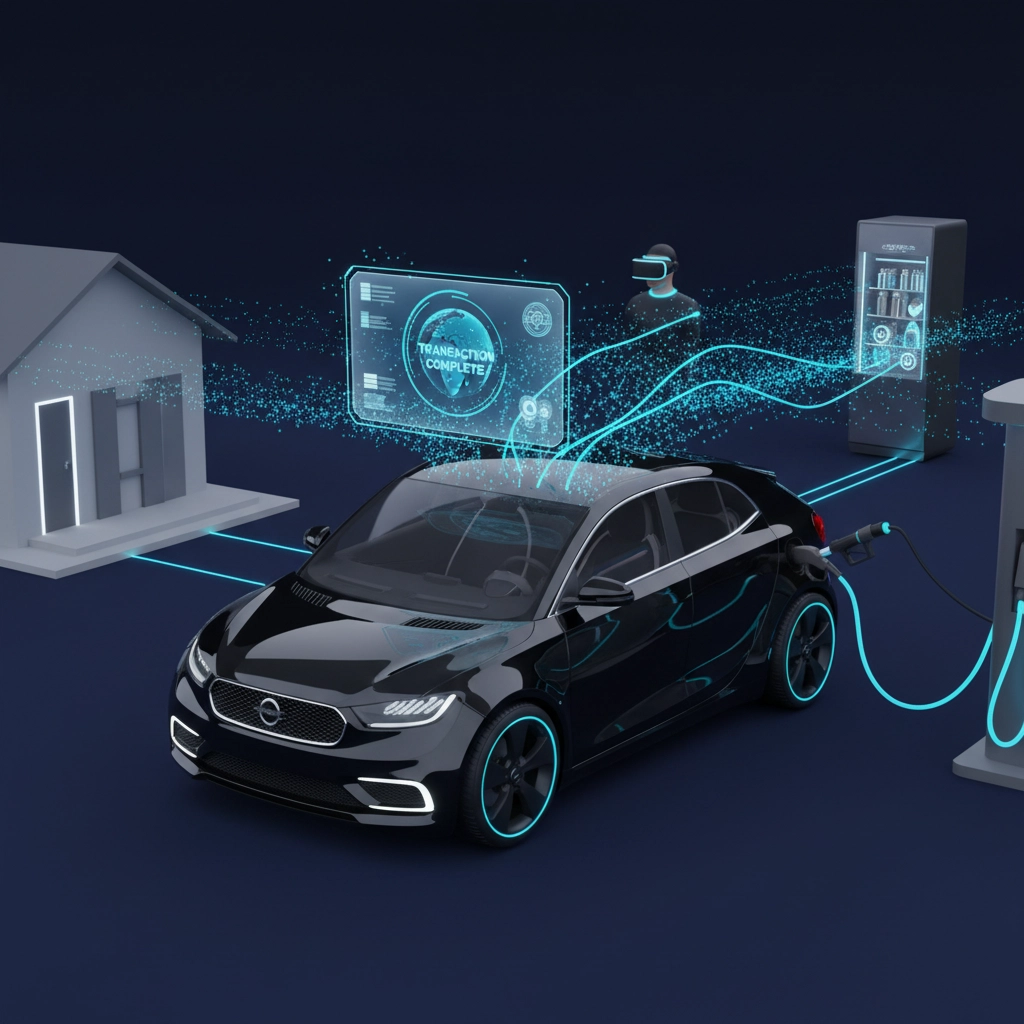
For fintechs building infrastructure, focus on developing embedded payment APIs and tokenised credentials that work seamlessly across diverse devices. The companies that nail the invisible payments experience will own a significant chunk of tomorrow's transaction volume.
AI Agents: Your New Payment Processors
Agentic commerce is set to transform how transactions happen in 2026. AI agents will automate entire purchasing processes: from decision-making through payment credential submission: enabling transactions with minimal human intervention.
But here's the interesting part: adoption rates will vary dramatically between B2B and B2C markets. Business payments are leading the charge, with around one-third of B2B payment workflows expected to use autonomous AI agents by the end of 2026. Meanwhile, consumer adoption remains cautious: only 24% of online adults trust AI to make routine purchases on their behalf.
This creates a clear strategic opportunity for fintech startups. B2B solutions focused on agentic workflows will see faster adoption and clearer ROI than consumer-facing autonomous payment systems. If you're building for businesses, AI-powered payment automation should be at the top of your roadmap.
Payment processors are already using AI for merchant retention, predicting when customers might switch providers and addressing problems before they occur. The smart money is on building AI capabilities that enhance rather than replace human decision-making.
Real-Time Everything: The New Infrastructure Standard
The payments infrastructure itself is getting a major upgrade. Real-time payment networks are moving from cutting-edge to basic expectation in 2026. Same-day ACH, real-time settlement through systems like NPP and PayTo in Australia, and instant refunds are becoming table stakes.
This shift requires fintech platforms to adopt new payment rails and modernise their settlement infrastructure. The opportunity lies in providing tools that abstract away the complexity of supporting multiple real-time payment networks while maintaining reconciliation speed and accuracy.
For startups, this means thinking beyond just processing payments quickly. Consider how real-time capabilities can enable new business models: instant lending decisions, immediate payouts for gig workers, or real-time expense management for businesses.

Embedded Finance: Beyond Just Payments
Embedded finance is expanding beyond payments to become a comprehensive business tool. In 2026, successful fintechs won't just process transactions: they'll offer integrated financial ecosystems that include branded checkout experiences, automated recurring billing, instant financing options, and loyalty-driving financial features.
This means your platform needs to bundle diverse financial services directly into software offerings, not just handle payment processing. Think of it as becoming the financial operating system for your clients' businesses.
The competitive advantage goes to companies that can seamlessly integrate multiple financial services without overwhelming users with complexity. Focus on creating unified experiences that handle payments, lending, banking, and financial insights through a single interface.
Regulatory Changes: Compliance as Competitive Advantage
New regulatory frameworks are reshaping payment operations in significant ways. Fraud prevention responsibility is shifting from banks to businesses themselves, requiring more robust monitoring, clean data practices, and stronger authorisation controls. With business email compromise attacks on the rise, continuous verification and data integrity have become critical.
For fintech startups, this creates both challenge and opportunity. Instead of treating compliance as an afterthought, build fraud prevention and regulatory compliance into your core product. The fintechs that excel at helping merchants meet these requirements will have a significant competitive advantage.
This is particularly important in Australia, where payment regulations continue to evolve rapidly. Stay ahead by making compliance a feature, not a burden.

Stablecoins: Finding Their Place
Despite all the buzz, stablecoins will remain niche in 2026. They won't become mainstream for retail payments but will find their sweet spot in B2B cross-border payments and crypto-native environments where currency volatility is high.
If you're building international payment solutions or crypto-enabled services, stablecoin integration makes sense. For consumer fintech apps, don't prioritise this as a core feature: focus your resources on more impactful innovations.
The real opportunity with stablecoins lies in solving specific pain points around cross-border B2B transactions, where traditional banking rails are slow and expensive. Position yourself to serve businesses that need fast, cost-effective international payments.
Biometric Authentication Gets Smarter
Authentication is evolving beyond traditional methods in 2026. Biometric authentication is getting more sophisticated, particularly as regulatory requirements like Strong Customer Authentication become more stringent.
Advanced biometric capabilities need to work across diverse devices and handle both human users and autonomous agents. For fintechs building next-generation authentication, invest in systems that can verify transactions whether they're initiated by a person or an AI agent.
This is especially relevant as "know your agent" requirements mature alongside traditional KYC processes. Your authentication systems need to be ready for a world where AI agents are making legitimate transactions on behalf of users.
What This Means for Your Strategy
The 2026 payment tech landscape rewards companies that think beyond traditional transaction processing. Success will come from building comprehensive platforms that handle invisible payments, AI-driven automation, real-time processing, and embedded financial services.
Focus on B2B markets for faster AI adoption, prioritise real-time capabilities as basic infrastructure, and build compliance into your core product rather than bolting it on later. Most importantly, think about payments as part of broader financial ecosystems, not standalone transactions.
The companies that get this right won't just process payments: they'll become the financial infrastructure that powers the next generation of business innovation. The question is: are you ready to build for tomorrow's payment landscape today?
The window is wide open right now. The infrastructure exists, the market is ready, and the regulatory environment is becoming clearer. For startups and fintechs willing to think big and move fast, 2026 could be the year that defines the next decade of payments.
Ready to navigate 2026 with confidence?
Check out our recent posts on invisible payments, agentic AI, and smart fraud prevention to go even deeper:
Want tailored advice or a fresh eyes review of your payment stack? Reach out to the RivaTech Consulting team and let’s build your 2026 strategy together.