
The Social POS: Why Your Next Sale Might Start on TikTok and End at the Counter
Updated: Mar 4
Here's the thing: your customers aren't just scrolling TikTok or Instagram for entertainment anymore. They're shopping. And if you're not ready to meet them where they are, then send them smoothly into your store or checkout, you're leaving money on the table.
Welcome to the era of the Social POS, where social media isn't just a marketing channel. It's your storefront, your salesperson, and your inventory system all rolled into one. And it's happening whether you're ready or not.
The 'Link in Bio' Era Is Dead
Remember when "Link in Bio" was the holy grail of social selling? Those days are over.
Today's customers expect more. They see a product on TikTok, tap a few buttons, and want it delivered, or ready for pickup, within hours. No redirects. No clunky landing pages. No friction.
Modern POS systems are now bridging that gap. They're syncing your in-store inventory with social platforms in real time, so when someone discovers your product at 11 PM while scrolling in bed, they can actually buy it. And when they walk into your store the next day, you've got it ready.
This isn't just about making sales easier. It's about creating a unified experience that doesn't break the moment a customer decides they want something.
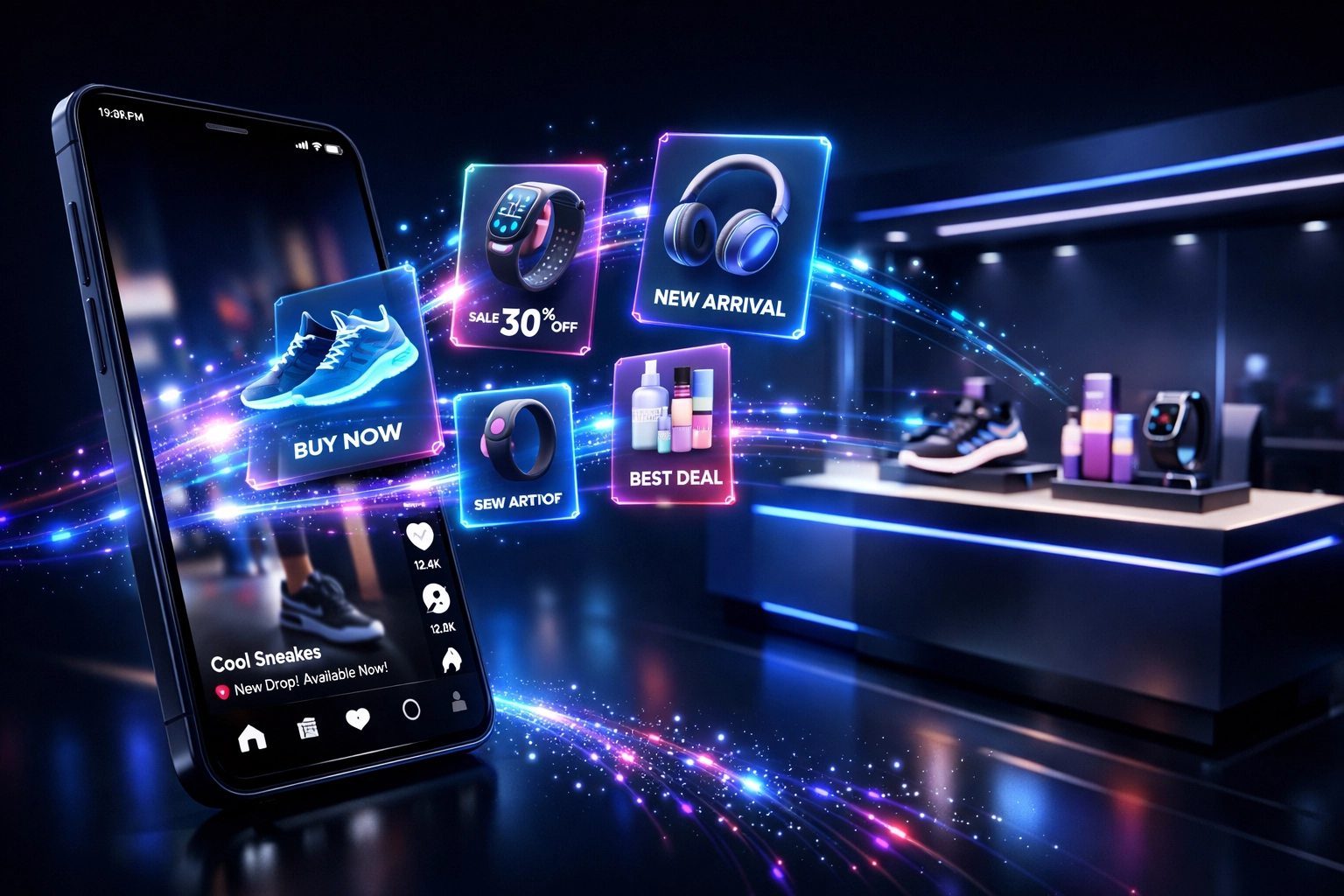
The Out-of-Stock Heartbreak (And How to Avoid It)
Let's talk about the worst customer experience in retail: finding the perfect product online, only to discover it's out of stock. Or worse, ordering it, waiting days, and then getting the "Sorry, we oversold" email.
This happens when your online presence and physical inventory aren't talking to each other. It's 2026, and that's just unacceptable.
Unified commerce is the new standard. It means your TikTok Shop, Instagram Shopping, website, and physical store all pull from the same inventory pool. When someone buys a jacket through a TikTok video at your Melbourne store, your Sydney location sees that stock update instantly.
Real-time inventory sync isn't a nice-to-have anymore. It's table stakes. Because nothing kills brand trust faster than disappointing a customer who was ready to buy.
Using Social Data to Win In-Store
Here's where it gets interesting: the "Social POS" isn't just about pushing products to TikTok. It's about pulling insights back into your business.
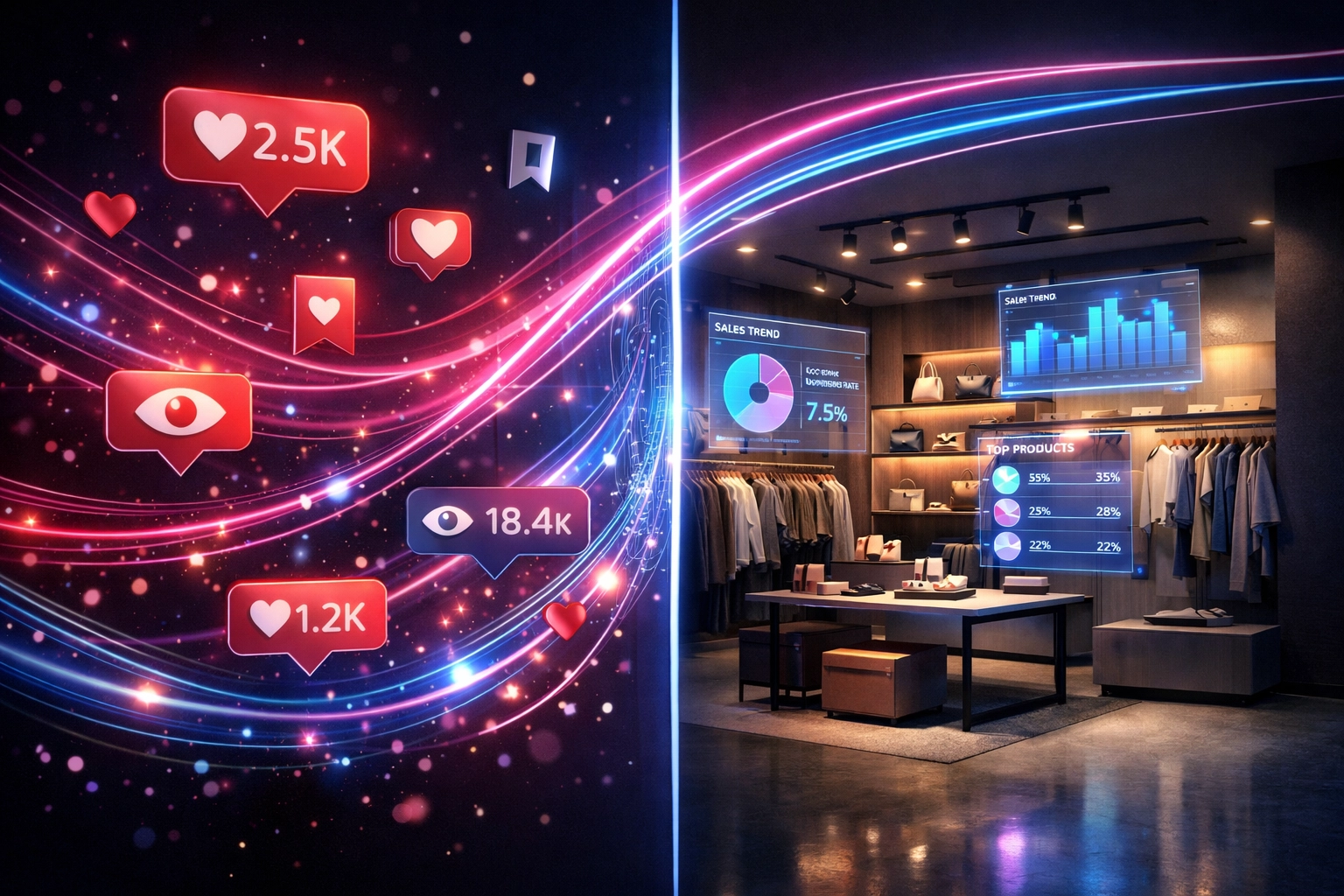
Think about it. When a customer engages with your content, saves your videos, or clicks through to a product, that's data gold. Smart POS systems can now capture that information and use it to personalise the in-store experience.
Imagine this: a customer who watched your TikTok video about your new coffee blend walks into your café. Your POS flags them as a social media lead and prompts your barista to offer a first-time discount or a sample. That's not creepy, that's closing the loop.

Or picture a clothing retailer using Instagram engagement data to trigger personalised offers when someone visits in person. "Hey, we noticed you loved our denim collection online: want 15% off today?"
This level of connection between social and physical is what separates growing businesses from everyone else.
The Payment Piece: From DM to Tap
Let's talk about the checkout experience, because this is where a lot of businesses drop the ball.
You've done all the hard work: created killer content, built the hype, got someone interested in your product. Then they hit the payment stage and... clunky checkout forms. Slow loading. Password resets. Cart abandonment.
The future is seamless payments. And we're seeing it play out in two ways:
1. Social-native checkout: Platforms like TikTok Shop and Instagram Checkout let customers complete purchases without ever leaving the app. No redirects. No friction. Just tap, pay, done.
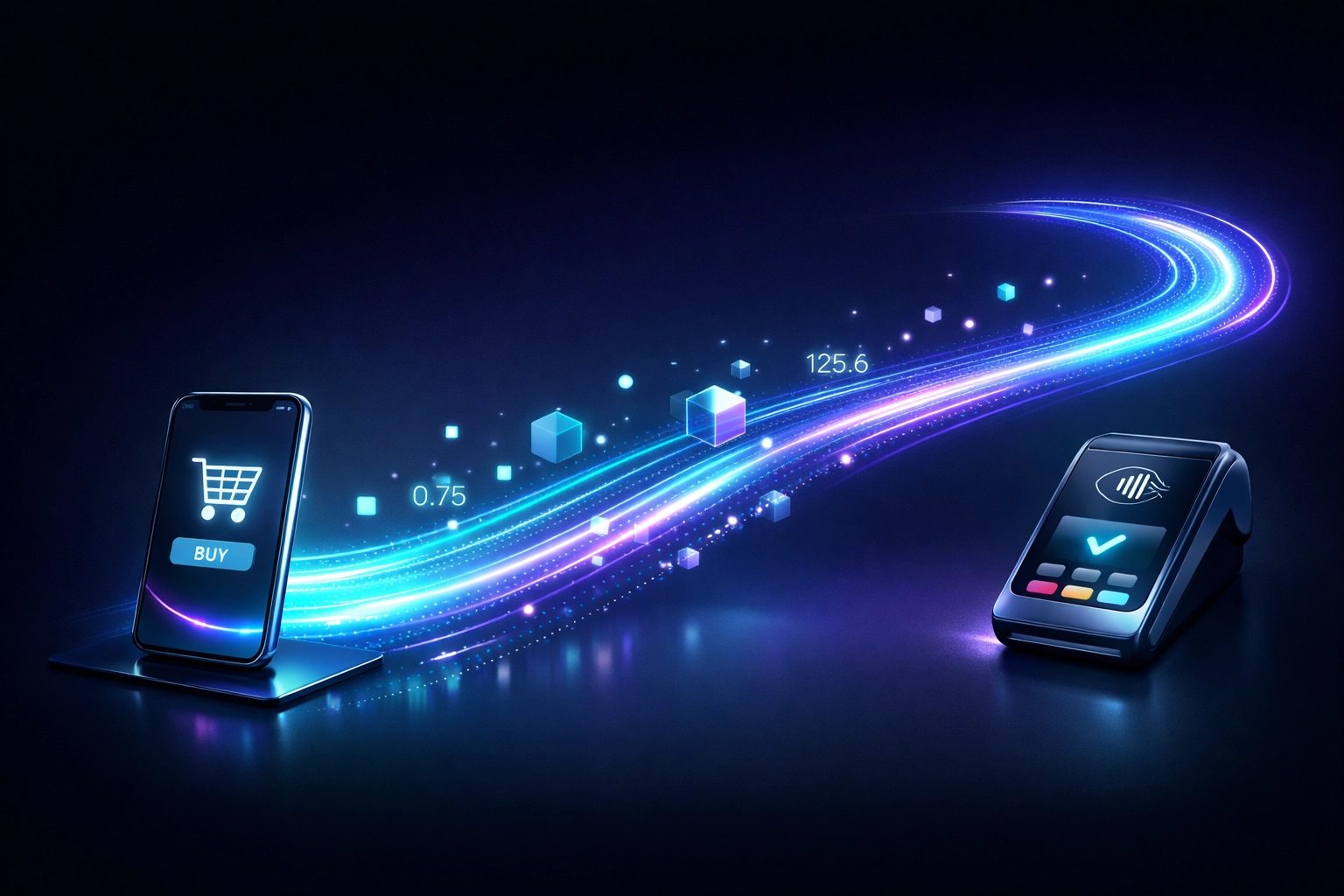
2. Bridge to in-store: For businesses that want customers to pick up in person or complete the sale at the counter, payments need to flow just as smoothly. Modern POS systems integrate with social commerce platforms so that when someone starts a transaction on TikTok, they can finish it in-store with a simple tap-to-pay at the counter.
This is where payment strategy becomes critical. It's not just about having a card terminal anymore. It's about creating a payment experience that works across channels: whether that's a social media DM, a QR code at your shopfront, or a contactless terminal inside.
And here's the kicker: the easier you make it to pay, the more people will actually complete the purchase. Friction is your enemy. Seamless is your superpower.
The Social POS as a Growth Engine
So why does all of this matter? Because the businesses that nail social commerce + POS integration are the ones that scale.
It's not just about big brands with massive marketing budgets. Small businesses and growing retailers can punch way above their weight class with the right setup.
For small businesses: You don't need a huge team to manage multiple sales channels anymore. A well-integrated POS system handles TikTok orders, Instagram sales, walk-ins, and online orders from one central hub. That's efficiency at scale.
For bigger brands: You get the data visibility and control needed to run a truly omnichannel operation. You can launch campaigns on social media knowing your inventory, fulfilment, and payments are all in sync.
The Social POS model also opens up new revenue streams. Think about limited drops announced on TikTok with exclusive in-store pickup. Or flash sales that drive foot traffic to specific locations. Or using social engagement to build loyalty programmes that work both online and offline.
What This Means for POS Companies and Fintechs
If you're building in the POS or fintech space, this shift is your opportunity.
Retailers and hospitality businesses are screaming for solutions that connect their social presence to their physical operations. They don't want five different tools. They want one system that does it all: or at least plays nicely with the tools they already use.
That means:
Real-time inventory APIs that sync across platforms
Unified order management that doesn't require manual data entry
Payment flexibility that works whether someone's buying on TikTok, Instagram, or in person
Customer data integration that turns social engagement into actionable insights
The companies that solve for this complexity: simply: will own the next decade of retail.
Navigating the Transition
Here's the reality: moving to a Social POS model isn't as simple as flipping a switch. There are technical hurdles, integration challenges, and strategic decisions to make.
Do you build your own integrations or partner with existing platforms? How do you handle inventory allocation across channels? What payment rails make the most sense for your business model? How do you train your team to use social data effectively?
This is exactly the kind of messy, high-stakes transition where outside expertise pays off. Having someone who understands both the payment infrastructure and the retail operations can be the difference between a smooth rollout and a costly headache.
At RivaTech Consulting, we help businesses navigate these shifts. Whether you're a POS company looking to add social commerce capabilities, a fintech trying to crack the retail market, or a retailer wanting to connect your social channels to your physical stores: we've been in the trenches and know what works.
The Bottom Line
Social commerce isn't coming. It's here. And the businesses that treat social media as just another marketing channel are going to get left behind.
The future belongs to retailers who understand that a sale can start on TikTok and end at the counter: and have the systems in place to make that journey effortless.
If you're ready to bridge the gap between your social presence and your POS, or if you're trying to figure out where to even start, let's talk.
Book a consult with RivaTech Consulting and let's map out your path to unified commerce. Because the next sale isn't happening in your store or online( it's happening everywhere at once.)