
Are POS Systems Dead? How AI is Turning Checkouts Into Operating Systems
Updated: Mar 4
If you run a café, restaurant, bar, or hotel, you know the drill. Peak hour hits, the kitchen's slammed, stock runs low at the worst possible moment, and your best regular walks in expecting you to remember they're gluten-free and hate coriander. Meanwhile, you're trying to figure out why Thursday nights are dead and Saturday lunch is chaos.
Welcome to hospitality in 2026, where a modern POS isn't just a glorified cash register anymore. With AI baked in, it's turning into the operating system of the venue: the brain that connects orders, payments, staff, stock, and customer experience in one place.
What Does "AI-Powered POS" Actually Mean?
Let's cut through the buzzwords. An AI-powered POS doesn’t just process payments. It learns from every order, every void, every modifier, every rush, and every slow shift — then turns that into practical guidance.
In other words, it’s not “the checkout”. It’s the system that runs the place: a single source of truth across front of house, kitchen, inventory, staff, and reporting.
Think: automatic reordering when stock’s low, staff prompts when someone’s new, menu insights that tell you what to push (and what to drop), flagging dodgy transactions before they hit your account, and telling you how many people you should roster for next Tuesday’s lunch rush.
It’s the difference between reacting to problems and preventing them.
Faster Service, Shorter Queues
Nobody likes waiting. Not your customers, not your staff, and definitely not you when Google reviews start mentioning “slow service”.
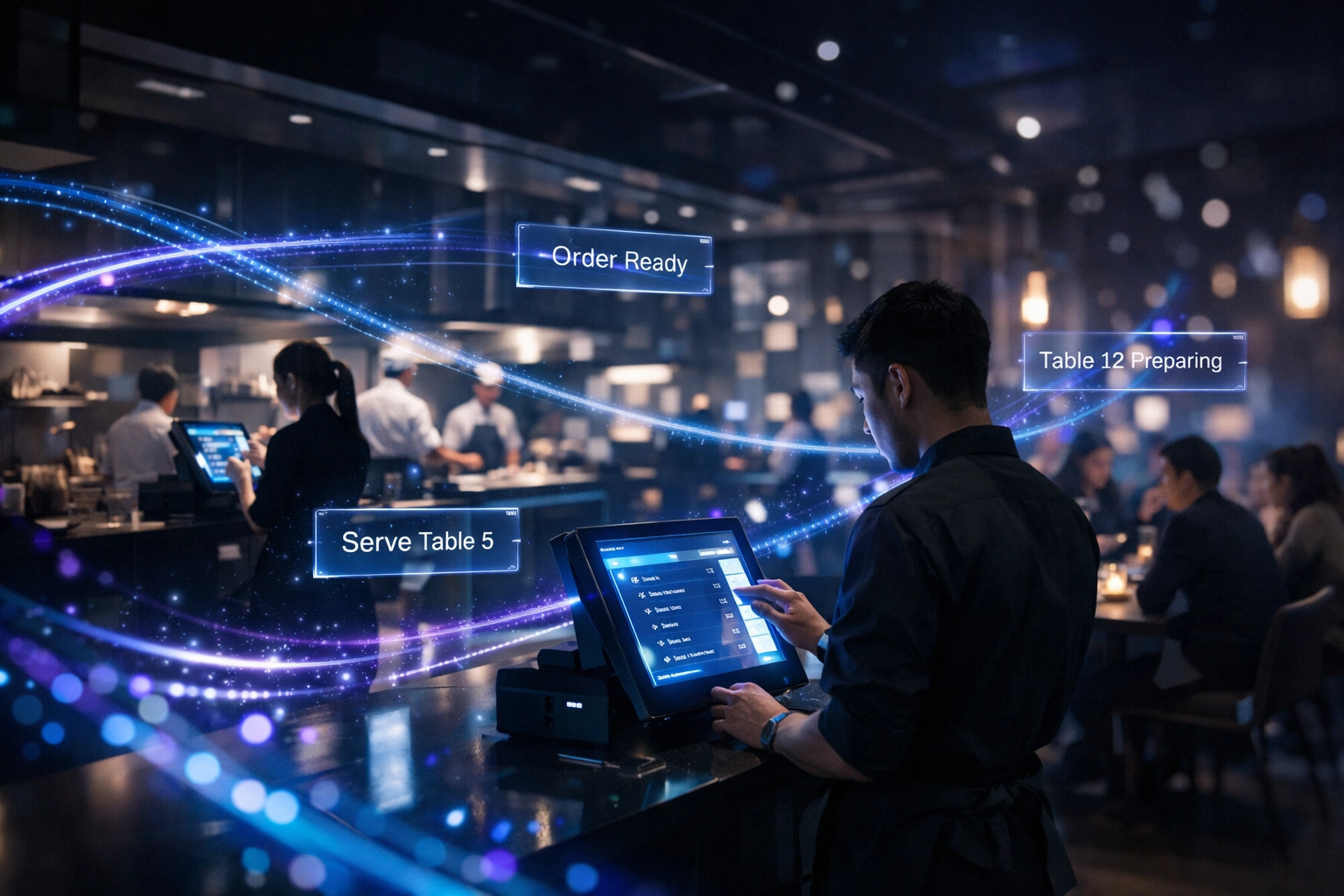
When your POS is the venue’s operating system, speed doesn’t just come from tapping faster — it comes from the whole workflow being smarter:
Staff assists & prompts: built-in suggestions (mods, allergy prompts, upsell nudges) so orders are cleaner the first time
Voice-assisted ordering lets staff take orders hands-free while prepping drinks or clearing tables
Dynamic menus that push today’s specials, hide sold-out items automatically, and keep everyone on the same page
Quick staff onboarding with guided flows, so new hires can get going without shadowing for a week
Queue prediction during peak times, so you can pull someone onto the pass or jump on a second till before it gets ugly
The result? Faster table turns, fewer remakes, happier customers, and staff who aren’t drowning in chaos every Friday night.
Personalised Experiences That Actually Feel Personal
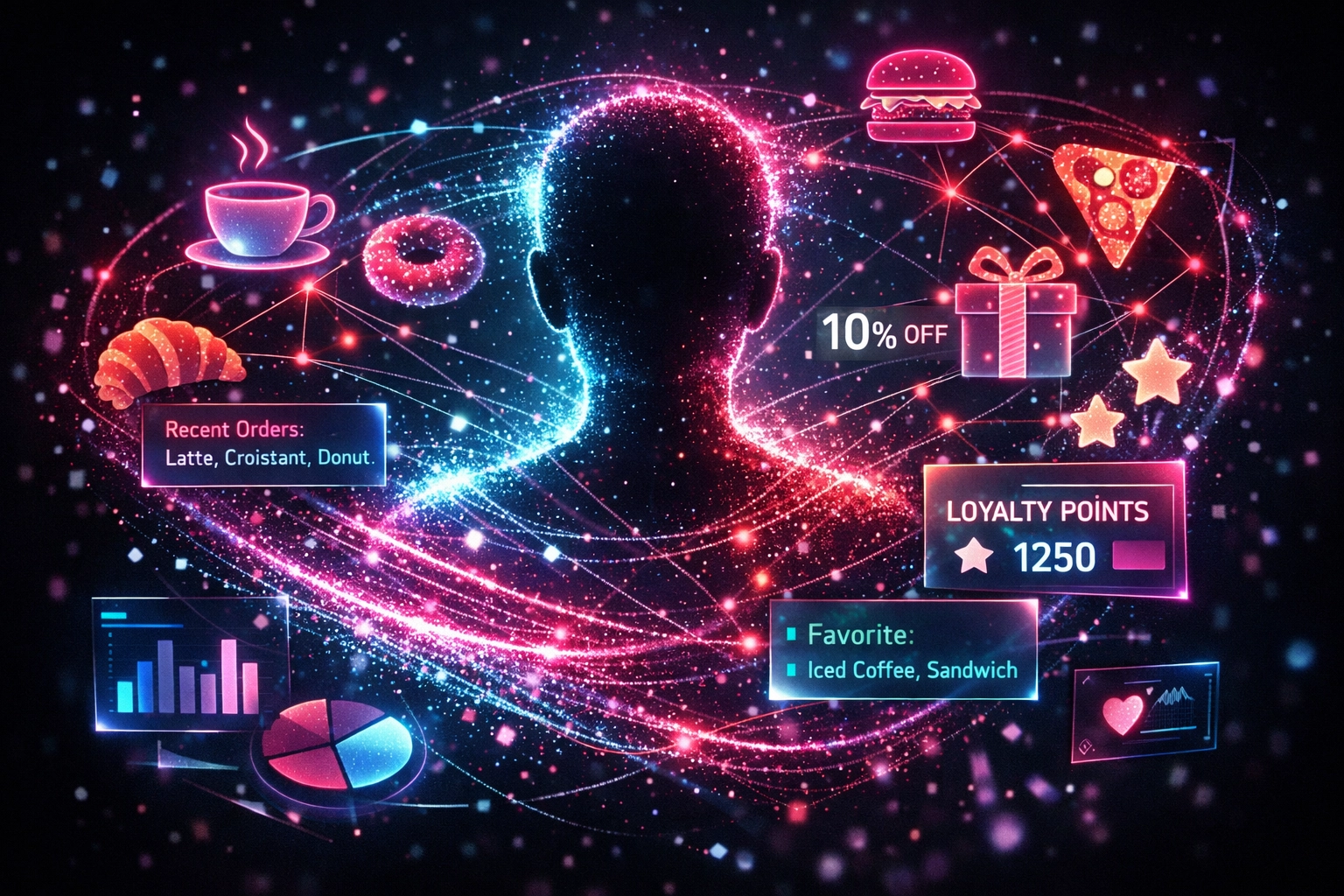
Here's where AI really shines. Modern POS systems can recognise returning customers, not in a creepy way, but in a "we remember you love oat milk" way.
The system tracks purchase history, preferences, and patterns. So when your regular walks in, the staff can see:
Their usual order
Dietary requirements or allergies
Favourite table or seating preference
Loyalty points balance
You can set up automated offers, like a free coffee on their birthday or a discount after their 10th visit. It feels personal because it is personal, and it keeps people coming back.
For hotels, this gets even better. AI-powered systems connect the dots across restaurant orders, room service, spa bookings, and bar tabs. One guest profile, one seamless experience.
Predictive Inventory & Waste Reduction
Running out of milk during the morning coffee rush is bad. Throwing away $500 worth of spoiled produce at the end of the week is worse.
When the POS is your operating system, inventory isn’t a separate spreadsheet — it’s tied directly to what’s being sold, what’s being prepped, and what’s being wasted.
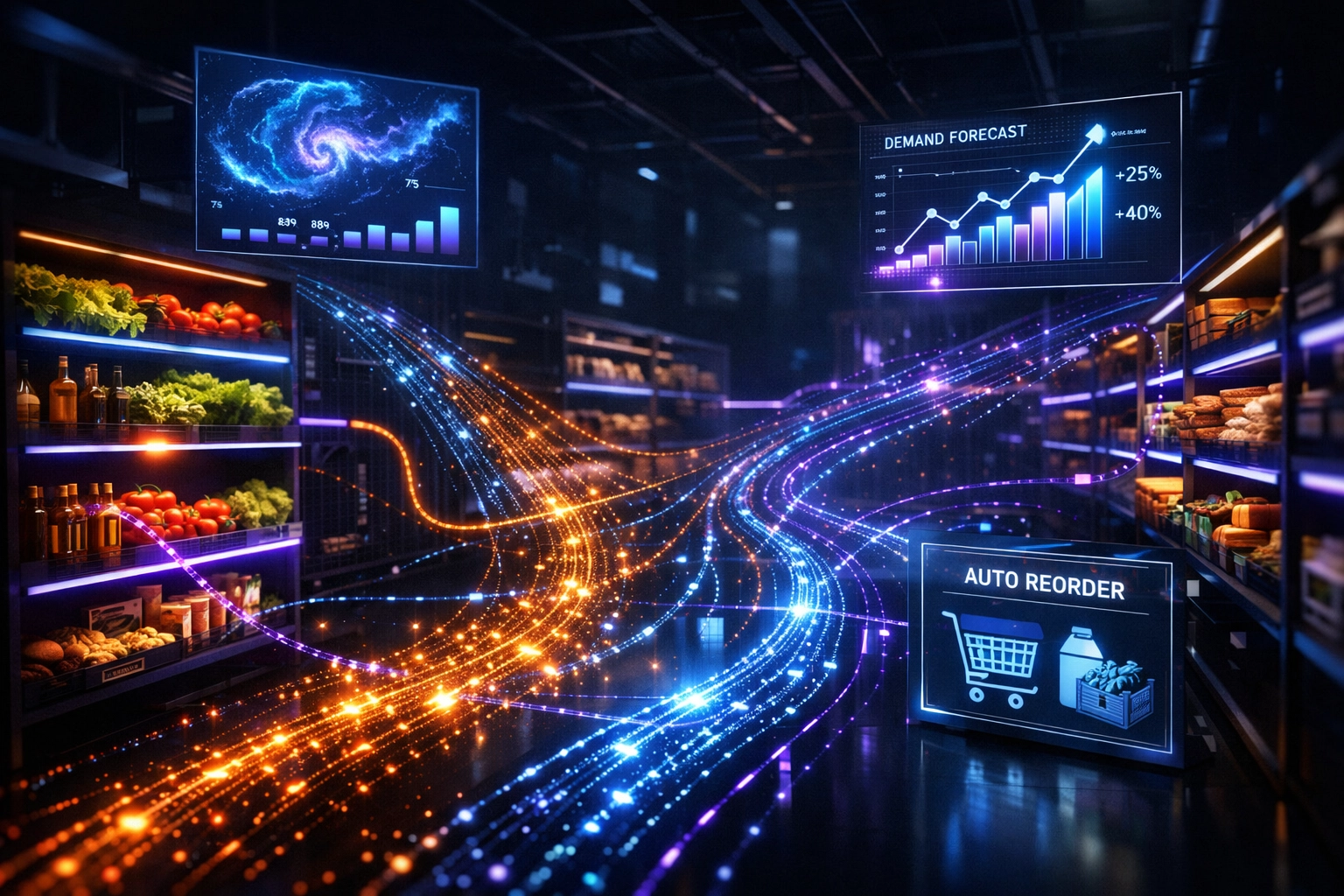
AI-powered POS systems track usage in real time and predict what you’ll need based on:
Historical sales data
Day of the week and time of day
Upcoming events (public holidays, local festivals, sports matches)
Weather forecasts (yes, really — rainy days can mean more hot meals and fewer frozen drinks)
The system can automatically reorder stock from your suppliers when you hit a threshold, or alert your team before you run dry. No more guessing. No more emergency runs to the wholesaler.
And here’s the bonus: less waste. When you know what you’ll sell, you order what you need. Food costs drop, margins improve, and you’re not filling bins with expired stock.
Labour Forecasting & Rostering Insights
Rostering is a nightmare. Too many staff and you're burning money. Too few and your service falls apart.
AI takes the guesswork out by analysing:
Past sales trends
Booking data
Seasonal patterns
Local events
It tells you exactly how many staff you need for next Tuesday's dinner service, or warns you that Saturday's going to be busier than usual because there's a concert down the road.
Some systems even integrate with your rostering software, so you can auto-generate schedules based on predicted demand. Less time in spreadsheets, more time running your venue.
Kitchen Display Optimisation & Omnichannel Chaos
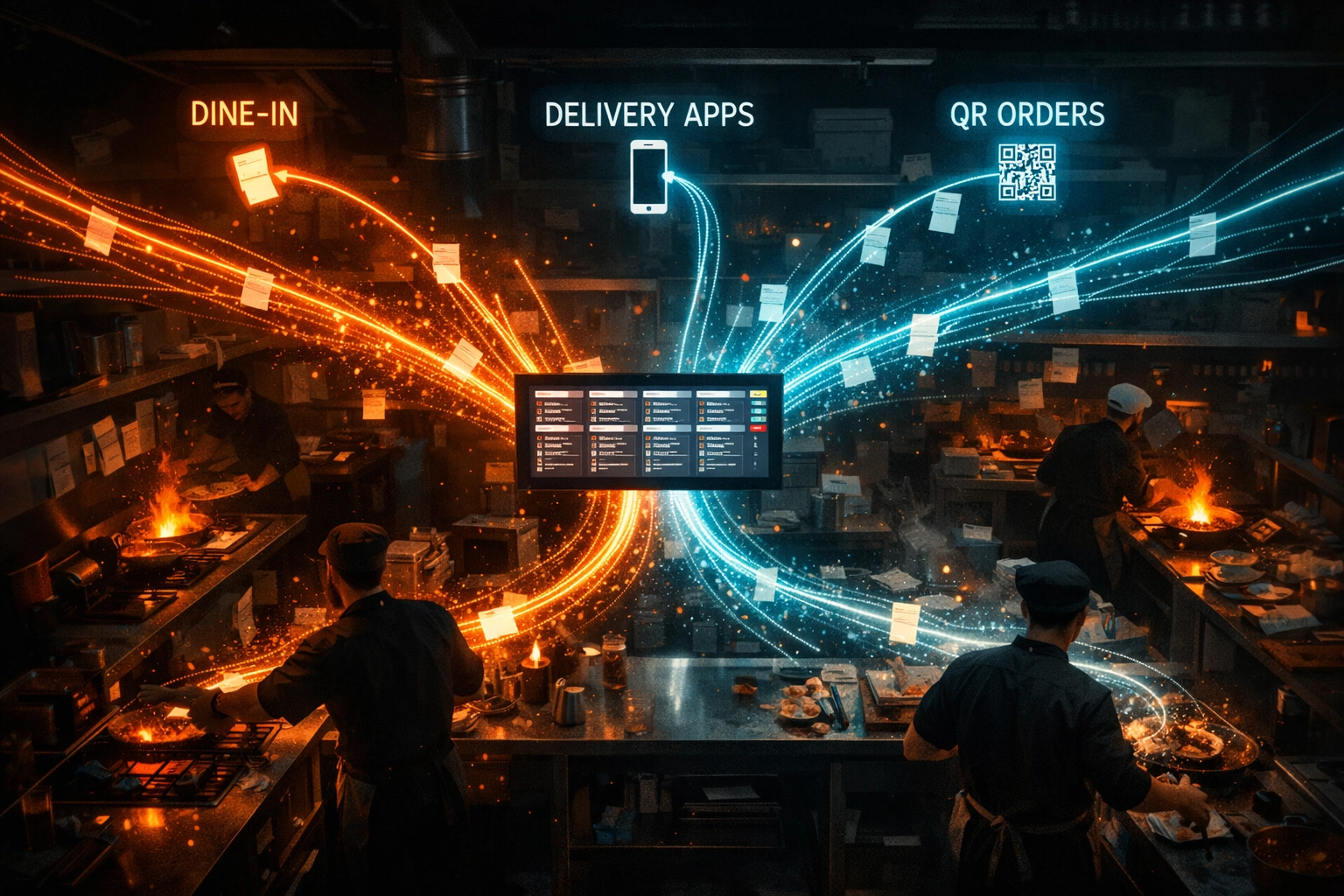
If you're juggling dine-in, takeaway, delivery apps, and QR code orders, you know how messy it gets. Orders come from everywhere, and your kitchen needs to prioritise without losing their minds.
AI-powered POS systems act as traffic control for your kitchen:
Orders are automatically routed to the right station (grill, fryer, salads)
Timing is optimised so all dishes for one table finish together
Delivery and pickup orders are prioritised based on promised times
Integration with Uber Eats, Menulog, and DoorDash means everything flows through one system
For front-of-house, this means fewer complaints about cold food or missed orders. For the kitchen, it means less stress and smoother service.
Better Payments & Fraud Reduction
Let's talk money. AI doesn't just help you make it, it helps you keep it.
Modern POS systems support:
Tap to pay and digital wallets (Apple Pay, Google Pay)
QR code payments for contactless orders
Split bills that don't require a maths degree
Integrated tipping with automatic staff distribution
On the security side, AI flags suspicious transactions in real time. Unusual spending patterns, mismatched card details, or dodgy chargebacks get caught before they cost you money.
Fraud detection isn't just about protecting your revenue, it protects your reputation. Nobody wants to be the venue that "accidentally" charged someone twice or got hit with a data breach.
Menu Engineering & Smarter Reporting
Ever wonder which dishes are actually profitable? Not just popular, profitable?
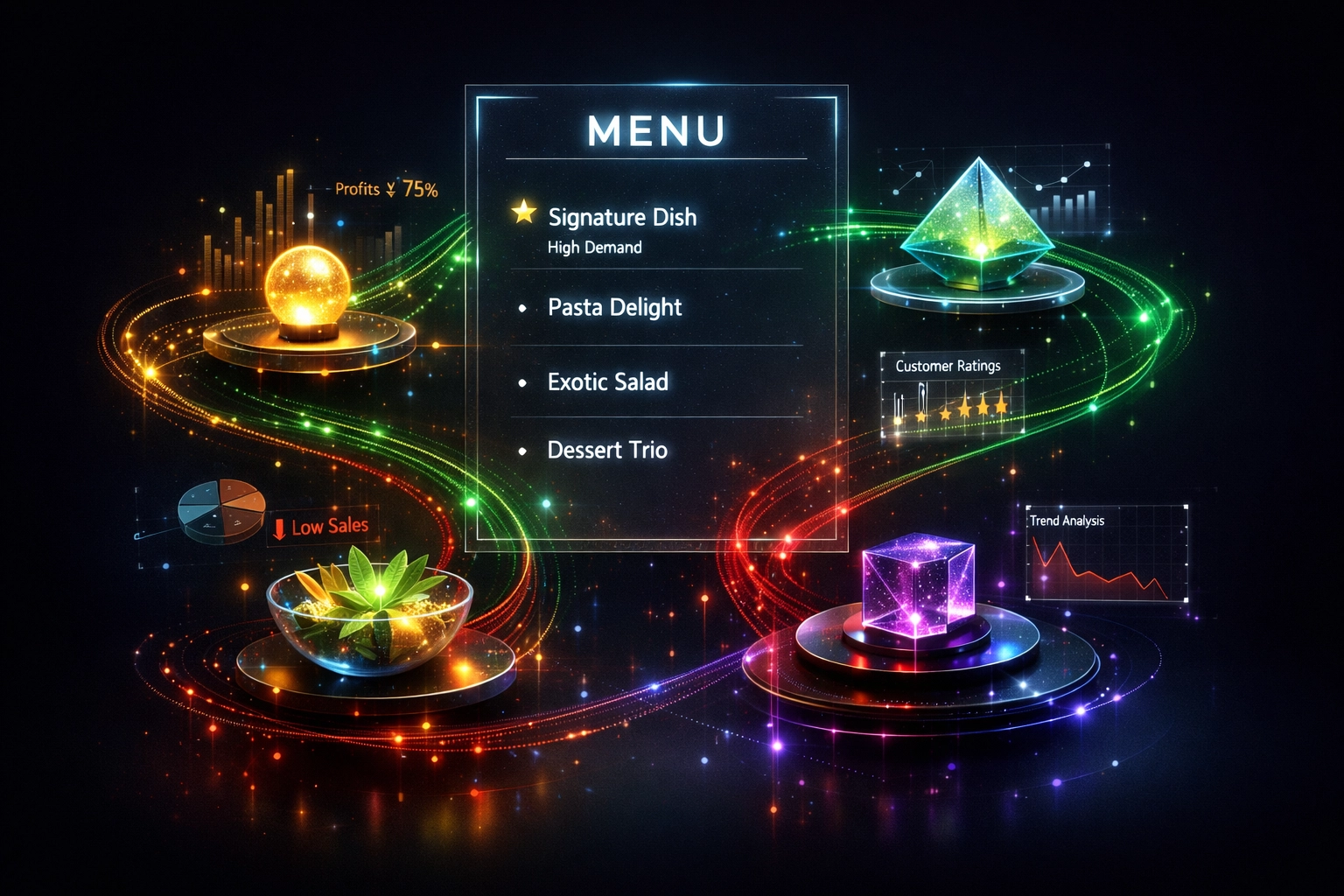
This is where the “POS as an operating system” idea really pays off. Because the POS sits at the centre of orders, prices, discounts, wastage, and staff behaviour, it can show you the real story behind your menu.
AI-powered reporting digs into:
Food cost vs. selling price for every menu item
Sales velocity, what moves fast, what sits
Customer preferences by time, day, or demographic
Pairing insights, what people order together (great for upsells)
You can use this data for menu engineering: promote high-margin winners, tweak pricing, tighten portioning, or cut underperformers.
And when you combine this with predictive inventory, you get a double win: you’re not just selling smarter — you’re buying smarter too.
The Risks You Should Know About
AI-powered POS systems aren't magic. They come with trade-offs, and it's worth knowing what you're signing up for.
Data privacy: You're collecting customer data, preferences, purchase history, payment details. Make sure your provider is PCI DSS compliant and that you're transparent about how data is used. Aussie privacy laws are strict, and customers care.
Model bias: AI learns from historical data. If your data's skewed (e.g., you've never sold vegan options, so the system never suggests them), the AI won't fix that. You need to check the recommendations and adjust.
Integration complexity: If your current POS, accounting software, and supplier systems don't play nice, the rollout can get messy. Budget time and money for proper integration.
Offline resilience: What happens when the internet drops? Make sure your POS can still process payments and queue data for sync later. You can't afford downtime during peak service.
Where RivaTech Consulting Comes In
Rolling out AI-powered POS isn't just about buying new hardware. It's about:
Payments strategy: making sure your POS integrates with the right payment rails (cards, wallets, BNPL)
Provider selection: choosing a POS that fits your venue size, budget, and tech stack
Risk & compliance: ensuring you're covered on fraud detection, PCI compliance, and data privacy
Rollout support: training staff, migrating data, and avoiding the chaos of a botched launch
At RivaTech Consulting, we help hospitality businesses and POS providers navigate the messy middle. Whether you're upgrading your current system or building a new solution from scratch, we make sure the tech works for you: not the other way around.
The Bottom Line
AI-powered POS systems aren't futuristic: they're here, and they're solving real problems for cafés, restaurants, bars, and hotels right now.
Faster service. Smarter inventory. Personalised experiences. Better margins. Less waste. Happier staff.
If you're still running on a POS from 2015, it's time to have a serious look at what's available. And if you're not sure where to start, that's exactly what we're here for.
Ready to upgrade your POS or need help navigating the options?Book a consultation with RivaTech Consulting and let's talk about what makes sense for your venue.